Conference Chaos, Big Congratulations and Autism
Dementia Action week #1
Each May we are given new opportunities during Dementia Action Week to deepen our awareness about dementia and how it impacts individuals with lived experience or who support people living with dementia.
I took full advantage of some such opportunities including attending a webinar hosted by Dementia UK called “Autism and young onset dementia: awareness and support”. I was touched by an autistic carer who shared her insights as to the difficulties she experienced as an autistic person caring for her parents living with dementia and what support she may need to keep caring for them without burning out herself.
It was also useful to understand the difficulties spotting the telltale signs that an autistic person may be developing dementia as there are often crossovers between autism and dementia that can be hard to differentiate such as communication difficulties. Assessments need to be thorough and conducted by a professional who understands both autism and dementia exceptionally well. Dementia UK tells you more here.
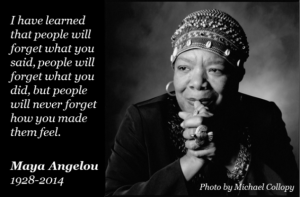
Themes of stories and doing things differentlyThe Cornwall Dementia ConferenceOn the 15th May I presented “Rediscovering Touch in Dementia Care” at our local Dementia Conference. It was such an uplifting day of shared wisdom, knowledge and inspirations to try doing something differently. One speaker who really struck a chord with me was the first of the day, Jayne Howard of Arts Well. Jayne spoke about stories and how creativity is vital for us to thrive, especially when you consider that engaging in cultural activities such as the arts is linked to a 43% lower risk of developing dementia. She shared how creativity and playfulness build relationships and facilitate storytelling, something that was beautifully reflected in the relaxed ease of her workshop later on. Jayne spoke my language. My subsequent presentation ascended into playful chaos with a hands on exercise designed to disrupt. I wanted people to feel in their bodies how “bang bang” morning telly and a busy environment can increase agitation and decrease human connection. My aim was to highlight that creating safety needs to precede touch for us to feel safe in our bodies and feel comfortable with what may follow. One gentleman said he felt so overwhelmed during the disruptive exercise that he almost walked out. I admitted I felt the same. I then told the story of James, who experienced such fear of invasion during intimate care that his carers worried they could no longer support him. More than his body keeping the score, Jame’s body held his story as an ex-military man feeling dis-empowered. We explored how our multidisciplinary team helped James feel safer in his body and changed how we communicated that safety in ways he could understand. This led into the second exercise, where we focused on enabling safety and creating calm as we introduced therapeutic touch. We looked at what we could control in ourselves and our environments, and how we could co‑regulate so that our bodies told and heard a different story. After exploring the economics of spending a little time creating safety and connection, I hoped to show how this investment pays dividends—reducing time spent recording incidents, avoiding additional medication, preventing burnout and sick leave and lowering staff turnover by creating safer environments for people to live and work in. We looked at ways to use focused therapeutic touch to change how a person feels about us in their bodies, and how to talk more about a person’s small but meaningful preferences: how someone likes to be touched, how they enjoy having their hair brushed, or the comfort of a handhold over a cuppa. More than this, we discussed how leaders and managers need to create space for staff to simply be with the people they support, building a positive feedback loop of relational trust that helps prevent incidents and reduces the need for 1:1 monitoring. This requires cultural shifts and brave leadership —where positive touch and safety are openly discussed in supervisions, handovers and team meetings, where we share the delight of how James responds to a handhold or to being included in all aspects of communication, showing him he is in safe hands. I ended with one of my favourite Maya Angelou quotes, followed by a question: How do you want people’s bodies to remember you? Dementia Action week #2During this week I attended a meeting with a Special Interest Group I belong to “Relationships, intimacy, and sexuality in dementia”. It’s a great opportunity to keep abreast of current research and to share information in this field and this often has a crossover with regards to positive touch. It’s a sensitive subject so I always think those who provide training and those who engage with research, whether that be people with lived experience or academics, to inform that training, are courageous. I’ll be signing up to this course which is hot off the press and provided by DSiDC in Dublin. Here’s the link.
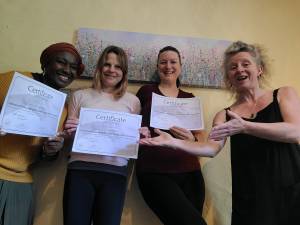
Congratulations!To the participants in the Advanced Massaging Persons Living with Dementia coursePlease join me in celebrating Rosie, Amanda and Erin’s efforts in successfully completing this training which takes dementia informed massage approaches and techniques to the next level. It was a weekend of fun, generosity and profound penny drop moments – almost literally. Not to mention goats! But I digress. We cover a lot of ground in this course about which Erin stated, “even though I have a lot of experience I feel a lot more confident now” and she intends to improve and extend her offering within her community in South East London. I’ll be offering this course again in 2027, but if you can’t wait, I have some 1 day courses coming up this year in Cornwall and Morecambe, the latter being especially useful if you live in Scotland, the north or Midlands. Remember if you’ve trained with me before and wish to refresh your knowledge, you qualify for 20% off. Check out availability and dates to suit you here.
Spotting the signs …Being curious about behaviour and wondering what might be the reason driving it can help us meet needs and create space for expressing pent up emotions. As well as being dementia informed we need to be trauma informed too. Presenting behaviour and agitation can be a clue about the depth of fear someone may be experiencing, a reminder to us to slow down, validate a person’s fear and then consider whether reassuring them or offering solutions may be helpful. If you fancy hearing about what cues and clues we can look for and then how to support a person with navigating their fears more safely, feel free to follow me on facebook, instagram or Youtube. Churrah for now …Well my lovelies, enjoy the gorgeous transition of spring into summer and watch out for an amazing, moving and beautiful guest blog celebrating exactly this during Pride month in June. Warmest wishes to you, Nicolle 🧡 🌈 “When words escape us, touch says it all.” #massagefordementia #MeetMeWhereIAm |